The Yogi
Lifestyle
From your first breath on the mat to a life lived with full intention — yoga is not a practice you do. It is a way of being you become.
What Is the Yogi Lifestyle?
Yoga means "union" — the joining of body, mind, and spirit into a single, flowing whole. The yogi lifestyle is not reserved for those who can hold a perfect pose. It belongs to anyone willing to move with intention and live with awareness.
For the Curious Beginner
It starts with showing up. Maybe it's your first class, or the morning you roll out a mat and follow along with a video. You're learning to breathe with intention, to listen to your body, and to find stillness in motion. At this stage, every small step is the practice — and every step is exactly right.
For the Growing Practitioner
As the practice deepens, yoga moves off the mat. You begin to explore breathwork and how the breath shapes your state of mind. You discover that stillness in a challenging pose mirrors the stillness you seek in a challenging moment at work or at home. The physical builds the philosophical.
For the Devoted Yogi
The lifestyle fully embraces yoga's ancient roots — the Eight Limbs, the ethical principles of the Yamas and Niyamas, the study of the Yoga Sutras, sound healing, meditation, and a daily commitment to living by design rather than by default. As Derek's book reminds us: a life by design is not an accident — it is a practice.
 Every journey begins with a single breath
"Yoga is not a practice you do for an hour a day. It is how you choose to meet every hour."
The Yogi WayThe Practitioner Spectrum
The Four Pillars
of Yogic Life
Every dimension of the yogi lifestyle rests on four interconnected foundations — each one deepening the others, each one a lifelong practice.
Body
The physical postures of yoga are far more than exercise. Each asana builds strength, flexibility, and balance while preparing the body for stillness — and the mind for presence.
- Builds functional strength and flexibility
- Aligns the body's natural energy flow
- Prepares the nervous system for meditation
- Hundreds of postures, infinite variations
Breath
Prana is life force. Breath is its most immediate expression. Through pranayama, you learn to regulate your inner state — calming stress, building energy, and creating the stillness in which awareness flourishes.
- Directly regulates the nervous system
- Bridges body and mind in every moment
- Enhances focus, calm, and vitality
- The foundation of all meditation
Mind
Meditation is not the absence of thought — it is the practice of watching thoughts without becoming them. Through dhyana, you cultivate the stillness and clarity that allows you to respond to life rather than react.
- Reduces stress, anxiety, and mental noise
- Builds emotional resilience and clarity
- Deepens self-awareness and inner peace
- Multiple traditions and approaches
Life
Yoga's ethical framework — the Yamas and Niyamas — guides how you live off the mat. Truthfulness, non-harm, contentment, self-discipline: these are not rules but a roadmap for a life lived by design.
- The Yamas: how we relate to the world
- The Niyamas: how we relate to ourselves
- Intentional living beyond the mat
- Aligned with Derek's A Life by Design
The Art of
Breathwork
Prana means life force. Ayama means expansion and control. Together, pranayama is the science of breathing that links your body to your mind and your mind to your spirit. Every tradition in yoga agrees: the breath is the bridge.
 Pranayama
Ocean Breath
A gentle constriction at the back of the throat creates a soft, oceanic sound with each breath. Used throughout asana practice to maintain focus, build internal heat, and anchor the mind to the present moment.
Breathe through the nose. Lightly constrict the throat as if fogging a mirror. Create a gentle "ocean wave" sound on both inhale and exhale.
Alternate Nostril
One of yoga's most powerful balancing techniques. By alternating breath between the left and right nostrils, this practice harmonizes the two hemispheres of the brain, reduces anxiety, and brings profound equilibrium.
Close the right nostril, inhale left. Close left, exhale right. Inhale right. Close right, exhale left. That is one cycle. Practice for 5–10 rounds.
Box Breathing
Equal-ratio breathing creates a square pattern — inhale, hold, exhale, hold — each for the same count. Used by yogis, athletes, and special forces to achieve calm focus under pressure.
Inhale for 4 counts. Hold for 4. Exhale for 4. Hold empty for 4. Repeat 4–6 cycles, building to longer counts as practice deepens.
Breath of Fire
Literally "skull-shining breath" — rapid, forceful exhales with passive inhales. This energizing practice clears the respiratory system, stimulates digestion, and awakens the mind.
Sit tall. Take a deep inhale. Begin rapid, sharp exhales through the nose by pumping the belly inward. Let the inhale be passive. Start with 30 breaths.
The Box Breath Cycle — 4 × 4 × 4 × 4
Sound Therapy
& the Healing Frequency
For thousands of years, yogis have known what modern science is now confirming: sound vibration heals. Through sacred instruments, mantra, and the resonance of the human voice, sound therapy carries the practice of yoga into the realm of frequency and feeling.
The Immersive Sound Bath Experience
A sound bath is a meditative experience in which you lie in stillness and allow waves of sound — from crystal singing bowls, gongs, chimes, and other sacred instruments — to wash over and through you. The vibrations shift brainwave states from alert (beta) into the deep calm of alpha and theta waves, creating a state of effortless meditation that benefits both beginners and seasoned practitioners.
- Reduces stress and tension
- Lowers blood pressure
- Deepens meditation access
- Releases emotional blockages
- Improves sleep quality
- Elevates spiritual well-being
- Balances the chakra system
- Reduces anxiety and depression
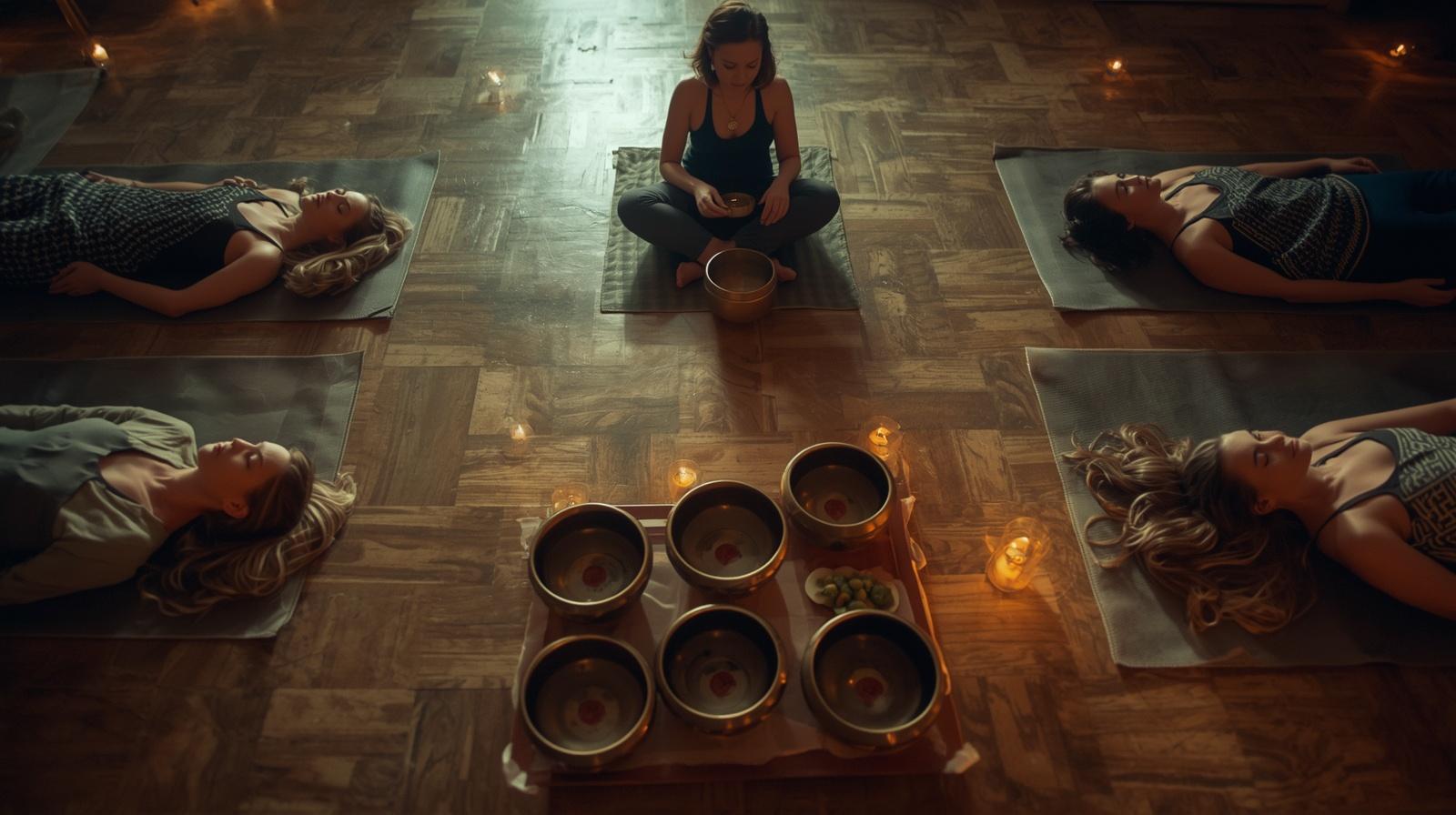
"Sound is the bridge between the seen and unseen"
Sound Healing TraditionInstruments & Traditions
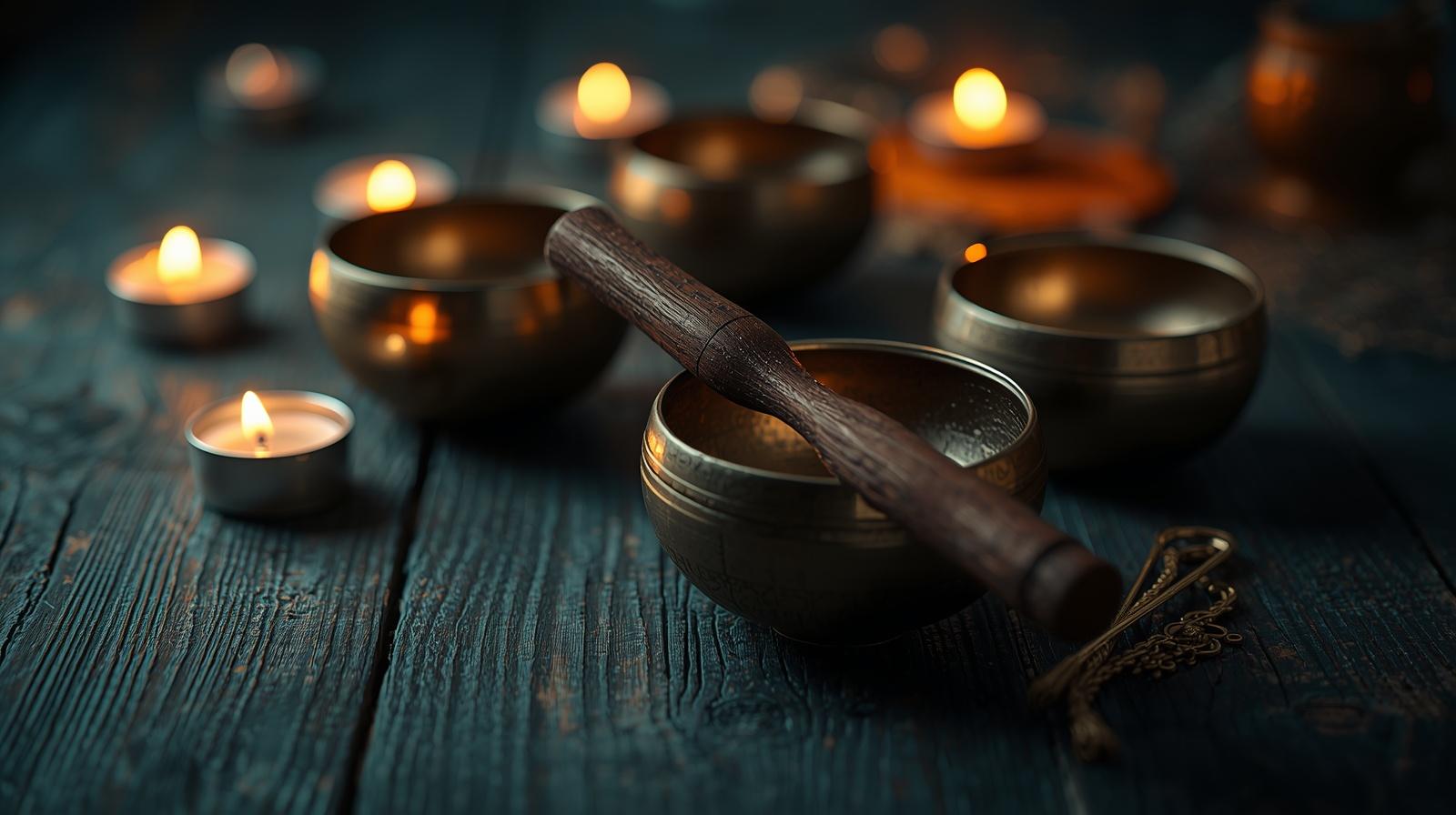
Tibetan Singing Bowls
Crafted from multi-metal alloys, Tibetan bowls produce deep, rich, resonant tones felt as much as heard. Rooted in centuries of Himalayan tradition, their vibrations realign the body's energy centers and restore harmony between body, mind, and spirit.

Crystal Singing Bowls
Made from pure quartz crystal, these bowls produce a clear, luminous tone that resonates with the chakra system. Each bowl is tuned to a specific frequency, making them powerful tools for targeted healing and deep meditation.
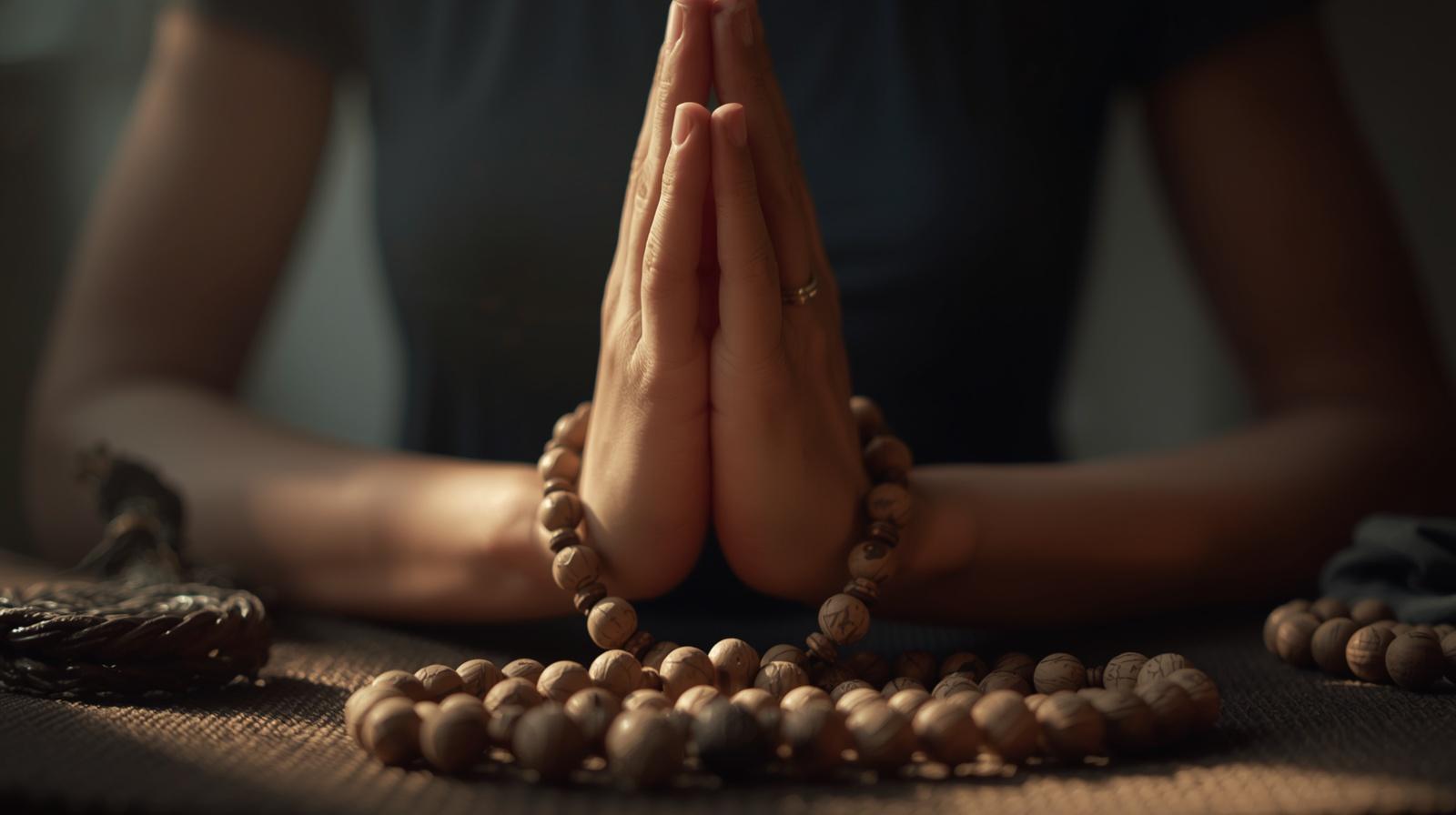
Mantra & Chanting
In yoga philosophy, a mantra is a sacred sound or phrase whose repetition focuses the mind and raises vibrational consciousness. From the primordial OM to intention-specific affirmations, the voice becomes an instrument of meditation and healing.
What the research shows: A study published in the Journal of Evidence-Based Complementary & Alternative Medicine found that Tibetan singing bowl meditation significantly reduced tension, anger, fatigue, and depressed mood — and increased spiritual well-being across all participants. Beginners experienced some of the greatest benefits.
Finding Your Still Center
Through Meditation
Meditation is not the absence of thought. It is the practice of observing thoughts without being swept away by them — creating a stillness in which clarity, compassion, and purpose naturally arise.
Present-Moment Awareness
The foundational meditation practice. You observe the breath, body sensations, and thoughts without attachment or judgment. By coming back to the present again and again, you train the mind to rest in clarity rather than spin in distraction.
Sit comfortably. Close your eyes. Focus on the natural rhythm of your breath. When the mind wanders — and it will — simply notice and return. That noticing is the practice.
The Inner Journey
A teacher's voice guides you through imagery, scenarios, or body-based awareness. Ideal for those who find silent sitting difficult, guided meditation builds the bridge between outer instruction and inner stillness — perfect for the 90-Day Challenge daily practice.
Find a comfortable position. Use Derek's daily meditation videos to let a guide carry you inward. Simply listen and follow with an open, relaxed awareness.
The Sacred Repetition
Japa meditation uses the silent or audible repetition of a mantra — a sacred word or phrase — to anchor the mind and raise vibrational energy. From the primordial sound of OM to personalized affirmations aligned with your life's intention, mantra becomes the thread of focus.
Choose a mantra — "So Hum" (I am that), "Om Shanti" (I am peace), or a personal affirmation. Repeat silently or aloud in rhythm with the breath for 10–20 minutes.
The State Between
Known as "yogic sleep," yoga nidra guides you into the threshold between waking and sleeping — a profoundly regenerative state that activates the parasympathetic nervous system. One 30-minute session is said to equal 2–3 hours of ordinary rest.
Lie in savasana. A guide leads you through a rotation of awareness across the body. Your only task is to remain awake in stillness and follow without effort.
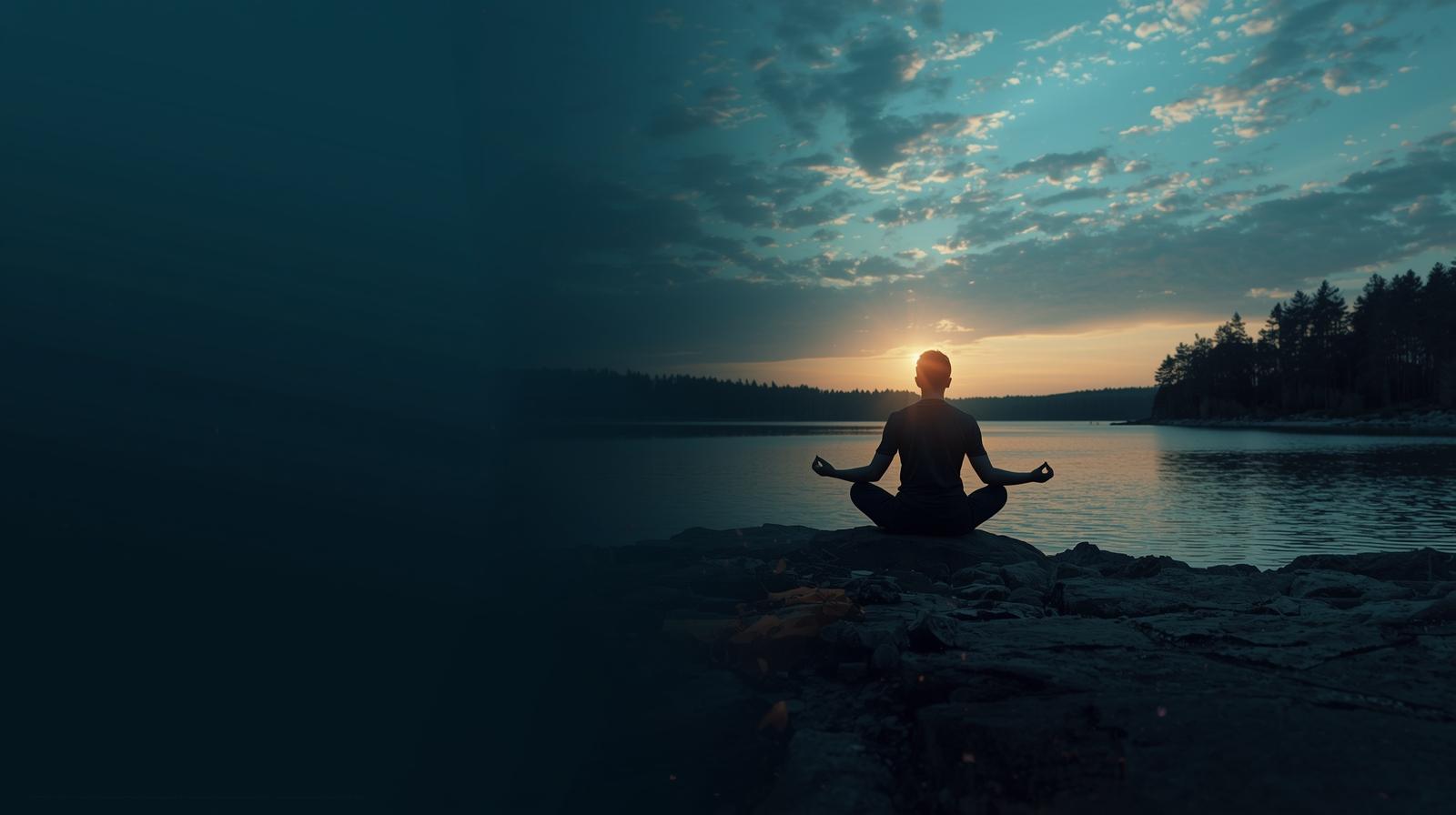
90 Days of Guided Meditations,
Aligned with Your Journey
Each day of the 90-Day Challenge includes a dedicated meditation video aligned with the daily theme and Derek's book, A Life by Design. Find your still center — one intentional day at a time.
The Eight Limbs
of Yogic Living
The ancient sage Patanjali codified yoga's complete path in 196 sutras. At its heart: eight interconnected limbs practiced simultaneously — a holistic architecture for a life well lived.
Ethical Disciplines
The five universal moral codes: non-harming (Ahimsa), truthfulness (Satya), non-stealing (Asteya), continence (Brahmacharya), and non-possessiveness (Aparigraha). How we relate to the world and others.
Personal Observances
Five personal practices: purity (Saucha), contentment (Santosha), self-discipline (Tapas), self-study (Svadhyaya), and surrender to the divine (Ishvara Pranidhana). How we relate to ourselves.
Physical Postures
The physical practice most associated with yoga in the modern world. Asana purifies and strengthens the body, releases tension and stored energy, and creates the ease and steadiness needed to sit in deep meditation.
Breath Extension
The regulation and expansion of prana — life force — through breathing techniques. Pranayama bridges the outer physical practices with the deeper inner disciplines, preparing the mind for meditation.
Sense Withdrawal
The conscious withdrawal of attention from the external senses, turning awareness inward. Pratyahara marks the transition from the outer to the inner path — the first threshold of deep meditation.
Concentrated Focus
Single-pointed concentration — holding the mind steadily on a single object, concept, or inner point. Dharana trains the mind to resist its habitual restlessness, building the focused attention meditation requires.
Meditation
Where dharana is the effort to concentrate, dhyana is the effortless, uninterrupted flow of awareness. Meditation in this sense arises naturally when concentration is sustained long enough — a state rather than a technique.
Union & Liberation
The ultimate state — complete absorption and union with the object of meditation and, ultimately, with all of existence. Not a destination but a homecoming. In samadhi, the boundary between the observer and the observed dissolves.
"The Eight Limbs are not a ladder to climb but a garden to tend — each practice enriching every other."
Patanjali's Yoga Sutras, interpreted
Ready to Build
Your Practice?
The 90-Day Challenge gives you everything you need to step fully into the yogi lifestyle — daily video workouts across four stunning environments, aligned guided meditations, and the intention-setting framework of Derek's book, A Life by Design.